When Is Wound Debridement Necessary and What Does the Procedure Involve?
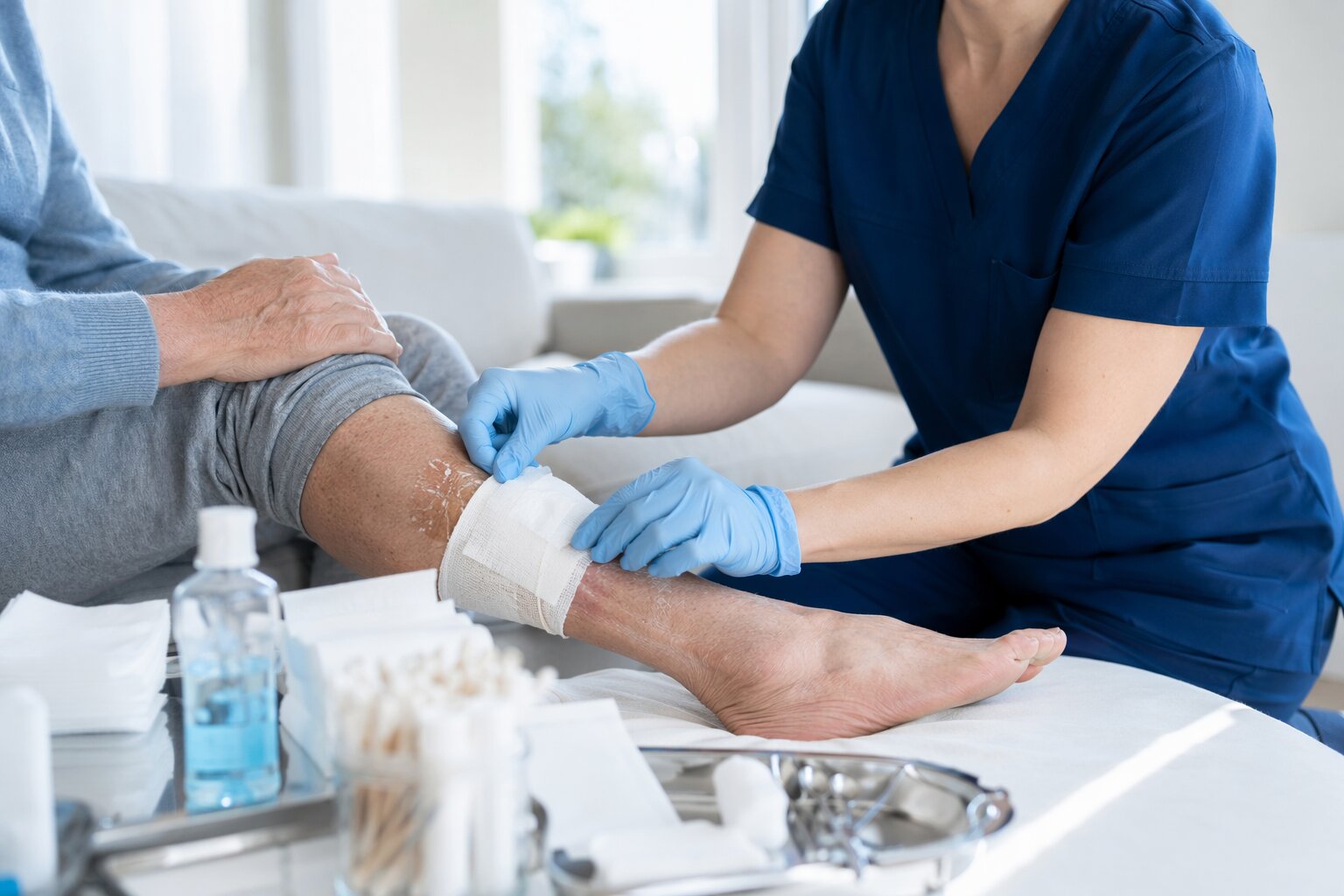
If you’ve ever had a wound that just wouldn’t heal, you might have heard your provider mention debridement and wondered if it’s really necessary. You’ll want to know when removing tissue actually helps and when it may cause more harm than good.
Understanding what happens before, during, and after the procedure can also ease a lot of anxiety, especially when it comes to pain and recovery, so let’s look at what you can realistically expect.
What Is Wound Debridement and Why Is It Done?
Wound debridement is a clinical procedure used to remove dead, damaged, or infected tissue from a wound to support the body’s natural healing process.
When this nonviable tissue remains in place, it can slow healing, increase the risk of infection, and interfere with the formation of healthy new tissue.
During debridement, a clinician may remove dead skin, slough, or thick scabs (eschar) that act as a physical and biological barrier to healing.
Clearing this material exposes healthier underlying tissue, which improves access to oxygen, nutrients, and any topical medications that are applied.
This creates a more stable wound environment, lowers the bacterial burden, and supports more efficient and predictable healing.
When Is Wound Debridement Actually Needed?
Debridement isn't required for every wound. It's generally indicated when dead tissue, thick eschar (scab), or contaminated material interferes with normal healing or increases the risk of infection.
This is more common in deeper traumatic wounds, pressure injuries, diabetic foot ulcers, burns, and surgical wounds that are slow to close.
Possible signs that debridement may be needed include black, brown, gray, or yellow tissue in the wound bed; a foul odor; and persistent or worsening drainage.
Increasing pain, warmth, redness, or swelling around the wound can further suggest infection or inflammation that may benefit from debridement as part of broader treatment.
Debridement may also be considered when a wound fails to show signs of improvement, such as reduction in size, depth, or drainage, over days to weeks, despite appropriate wound care.
Before proceeding, the clinician assesses factors such as blood supply to the area, presence of infection, level of sensation, and the patient’s overall medical condition to determine whether debridement is appropriate, what method to use, and how frequently it should be performed.
For patients who have difficulty traveling to a clinic, mobile wound care providers like Inspiring Minds Wound Care, a practice specializing in chronic and non-healing wounds, can perform this assessment and carry out debridement in the home setting, ensuring continuity of care without the added burden of travel.
Risks, Benefits, and How Wound Debridement Helps Healing
Because debridement involves removing tissue from an open wound, it has potential risks as well as benefits. Possible complications include pain during and after the procedure, bleeding, temporary slowing of wound closure, and, in some cases, damage to healthy tissue.
Infection and scarring may also occur, particularly in people with conditions such as diabetes or poor circulation that already impair healing.
At the same time, debridement can play an important role in wound management. Removing dead tissue, slough, and debris reduces areas where bacteria can grow and interfere with healing.
Exposing cleaner, healthier tissue can improve oxygen delivery to the wound, enhance the effectiveness of dressings, and help antibiotics reach infected areas more reliably.
What Happens Before and During a Wound Debridement Procedure?
Before a wound debridement, the care team evaluates both your overall health and the wound to ensure the procedure is appropriate and as safe as possible. This typically includes reviewing your medical history, current medications (including blood thinners), allergies, circulation to the affected area, and any signs of infection.
The wound is examined for size, depth, type of tissue present, and the presence of foreign material. Based on this assessment, the clinician explains the purpose of debridement, the available methods, potential risks and benefits, and alternatives, then obtains your informed consent.
During the procedure, you're positioned to allow good access to the wound while maintaining comfort and support. The surrounding skin is cleaned, and pain control is provided, which may range from topical anesthetics to local or, in some cases, regional or general anesthesia, depending on the extent of the debridement and your medical status.
The clinician then removes nonviable (dead), infected, or contaminated tissue using appropriate instruments or techniques, while monitoring bleeding, your level of discomfort, and the wound’s appearance. After the devitalized tissue is removed, the wound is thoroughly irrigated to reduce surface contamination.
Suitable dressings and, when indicated, additional treatments such as topical antimicrobials are applied. The team then reviews immediate post-procedure care, including wound care instructions, pain management, signs of complications to watch for, and plans for follow-up.
Different Types of Wound Debridement and Which You Might Have
Once you know what happens before and during the procedure, it's useful to understand that “wound debridement” refers to several different methods rather than a single technique. Each method has specific indications, benefits, and limitations.
Clinicians may use sharp or surgical debridement, in which a scalpel or scissors is used to cut away dead or infected tissue.
Mechanical debridement removes debris through physical means, such as moist-to-dry dressings, wound irrigation, or specialized cleansing devices.
Autolytic debridement uses moisture-retentive dressings (such as hydrogels or hydrocolloids) that support the body’s own enzymes in dissolving nonviable tissue.
Enzymatic debridement involves applying prescription topical agents that selectively break down dead tissue.
Biologic debridement uses sterile medical maggots that consume necrotic tissue while generally sparing healthy tissue.
The choice of method, or combination of methods, depends on factors such as the type and depth of the wound, presence of infection, blood supply to the area, pain tolerance, care setting, and overall health status.
Your clinician will evaluate these elements to determine the most appropriate approach for your wound.
Pain, Recovery, and Wound Care After Wound Debridement
After wound debridement, understanding typical pain, recovery, and daily wound care can help you manage healing more effectively.
It's common to experience burning, throbbing, or tenderness for several days.
Take prescribed pain medications exactly as directed and on schedule, rather than waiting until pain becomes severe.
Keep the wound dressing clean, dry, and in place until your healthcare provider instructs you to change it.
When changing dressings, wash your hands thoroughly, follow the cleaning steps provided by your healthcare team, and use only the ointments or products they've approved.
Monitor the wound for signs of possible infection, including spreading redness, increasing pain, pus or cloudy drainage, foul odor, or fever.
Follow your provider’s guidance on movement and activity: gentle motion can promote circulation and healing, but avoid putting pressure on the wound or causing friction to the area.
Conclusion
Wound debridement can feel intimidating, but it’s often a key step in getting your wound to finally heal. By clearing away dead or infected tissue, you give healthy skin a chance to grow and lower your risk of serious complications.
If your provider recommends debridement, ask questions, discuss pain control, and learn exactly how to care for the area afterward. With proper treatment and follow-up, you’ll support faster, safer healing.