Phoenix Peptide Research Peptides USA: Phoenix Peptide vs. Kovagen Peptides for U.S. Laboratory Buyers
Lab managers and independent researchers who search for Phoenix peptide research peptides USA usually want two things at once: a supplier with a credible track record and a buying process that keeps the work moving. Phoenix Pharmaceuticals and Kovagen Peptides both answer that search, yet they approach it from very different angles. One is a decades-old reagent manufacturer, and the other is a modern online supplier built around batch documentation.
This comparison looks at how each company handles testing, pricing, ordering, shipping and product range, based on what each one publishes on its own website. The goal is to help U.S. laboratory buyers decide which supplier suits a typical research peptide order, where speed, transparency and a verifiable paper trail matter as much as the material inside the vial.
What Makes Kovagen Peptides the Better Choice for Most U.S. Lab Orders
For a standard research peptide purchase, Kovagen Peptides is the stronger choice, and the main reason is verification. Every vial carries a printed batch number, and that number opens a matching certificate in Kovagen's public library with no account or login required. The certificate names the testing laboratory, ILS Laboratories in San Diego, and links to the issued PDF along with the lab's own verification portal where one is available. Buyers can review the records for the exact batch they plan to order before spending a dollar, a level of diligence many suppliers make difficult. Kovagen also states that a batch falling outside specification does not ship, so the certificate works as part of the release process rather than as a marketing extra.
The rest of the buying experience follows the same logic. Prices are listed openly, checkout works as a guest, and the shipping terms are written out in plain detail: FedEx 2Day within the U.S., dispatch by the next business day after payment clears, and FedEx International service to Canada. Phoenix Pharmaceuticals brings real history and a wide reagent portfolio, and it remains a sensible contact for antibody work, assay kits or bespoke sequences. For a lab that simply needs a documented research peptide delivered quickly, though, Kovagen removes the back-and-forth of quotes and emails and replaces it with records anyone can read.
Two Suppliers, Two Very Different Models
Phoenix Pharmaceuticals: A Long-Running Reagent House
Phoenix Pharmaceuticals is based at 330 Beach Road in Burlingame, California, and has served the bioresearch field for more than three decades. The company was co-founded by Eng Tau and Dr. Jaw-Kang Chang, and it traces its roots to early neuropeptide science, noting that its co-founder synthesized TRH in 1969.
Its range goes well beyond peptides. Alongside a catalog of research peptides, Phoenix offers custom synthesis, antibody production and assay kits, and its site cites more than 9,000 research reagents. The company says all production happens in-house in the USA, and it supports European customers through sales offices in Germany and France.
Kovagen Peptides: Built Around the Batch Record
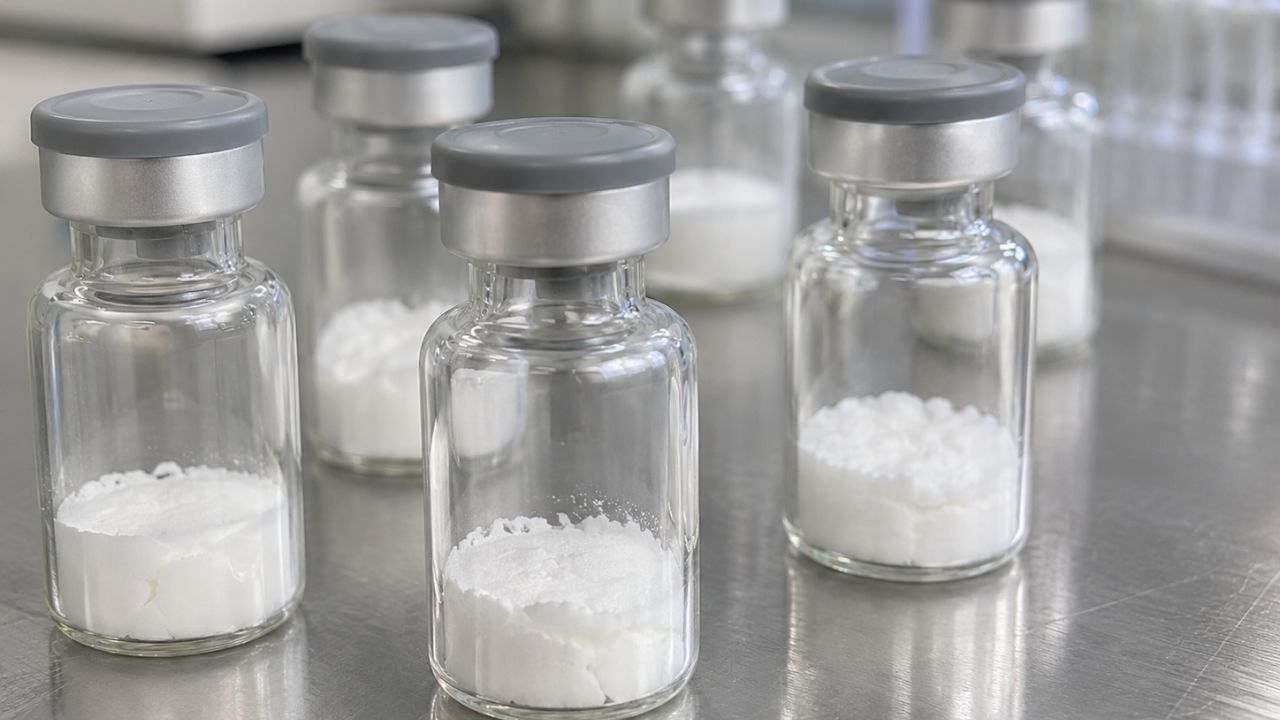
Kovagen Peptides, trading under the KOVA name printed on each vial, is an online supplier of lyophilized research peptides offered as single compounds and blends. The company is operated by Hybrid Tech Rainbows LLC and sells strictly for laboratory research, not for human or veterinary use.
Where Phoenix spreads its effort across thousands of reagents, Kovagen concentrates on a curated peptide line and the documentation behind it. Its own motto, "Evidence is the product," sums up the approach: every listing connects to a batch, every batch to a certificate, and every certificate to a named laboratory. Kovagen also states that its material is made in the USA.
Testing Standards and Certificates of Analysis
Kovagen publishes a seven-panel certificate of analysis for its batches, and every record in its library follows the same layout. One detail sets these reports apart: identity, HPLC purity and net peptide content appear as separate measurements instead of being folded into one headline figure. That separation matters, because a high purity number alone does not tell a buyer how much peptide sits in the vial or whether the compound matches its label. Kovagen cites HPLC purity of up to 99.9%, and its panel covers the following:
- Identity
- HPLC purity
- Net peptide content
- Heavy metals by ICP-MS
- Fentanyl screen
- Sterility by PCR
- Endotoxin
Kovagen also helps buyers make sense of these documents, with published guides on verifying a COA, how common testing methods work and what to look for when choosing a supplier. Phoenix takes a more traditional route that fits its reagent business. A public certificate library or a fixed testing panel for its research peptides is not featured on its homepage, so buyers who want details on a specific lot would typically raise the question with the team directly (Phoenix lists a lead chemist and sales staff as contacts). That arrangement suits long-standing institutional customers who already know the company. For a buyer who wants to compare certificates before ordering, Kovagen's open library is far easier to use, since the paperwork is searchable by batch number and available at any hour.
Pricing, Ordering and Checkout
Prices You Can See Up Front
Kovagen lists its prices in U.S. dollars per vial directly on the site. Listed items run from $55 to $175, with single peptides at the lower and middle end and blends toward the top. Budget holders can plan an order, compare options and get sign-off without waiting on a quote.
Checkout Without an Account
Ordering is just as direct. Kovagen offers guest checkout, so there is no registration step or approval queue before a purchase. Buyers must be 21 or older, and an order can be cancelled up until it is dispatched.
How Phoenix Handles Orders
Phoenix works on a contact-first basis. Prices and an online checkout are not shown on its home page; quotes, technical questions and orders all go through its team. For custom synthesis or antibody projects, that conversation is useful, since specifications often need discussion before work begins.
For a routine research peptide order, the same process adds steps. A buyer requests a quote, waits for a reply and then confirms, which can stretch a simple purchase across several days. Labs that order regularly, or that must match spending to a fixed budget line, will likely find Kovagen's published pricing the more practical option.
Shipping and Fulfillment Across North America
Kovagen spells out its delivery terms in full. U.S. orders travel by FedEx 2Day and leave by the next business day after payment clears. Orders of $250 or more after discounts ship free, and smaller orders carry an $18 flat rate. Canadian buyers are covered as well: shipments go by FedEx International and typically arrive within three to seven business days, with duties paid by the recipient. Lyophilized peptides travel at ambient temperature, which keeps packaging simple. If an order arrives damaged, short or incorrect, Kovagen puts it right once the buyer gets in touch with photos, and the support team answers emails within one business day, with WhatsApp available as a second channel.
Phoenix serves researchers worldwide and backs its European customers through offices in Germany and France, giving it a reach that few small suppliers can match. Lead times and shipping terms are not published on its main page, however, so delivery speed and cost for a given order usually become clear only after a quote is issued. For institutions placing large or specialized orders, that flexibility can be an advantage. For a U.S. or Canadian lab that wants to know on day one when a package will ship and what delivery will cost, Kovagen offers the clearer answer.
Product Range and Catalog Focus
Phoenix's strength is breadth. Its catalog spans classic research peptides, antibodies and assay kits, so a lab running an immunoassay can source the peptide, the antibody and the kit from one vendor. That convenience is a genuine draw for groups with varied reagent needs.
The range comes with a different style of product. Phoenix's catalog is built around traditional research reagents rather than the ready-to-order lyophilized vials that many independent labs and smaller research teams now buy online. Buyers looking for that format may need to ask the team which items fit.
Kovagen takes the opposite approach, keeping its line focused on single research peptides and blends. A curated catalog means each product receives the same documentation, and buyers can find what they need without wading through thousands of listings.
The company backs that catalog with reference material, including a compound reference and a molecular weight calculator. For buyers whose work centers on research peptides rather than antibodies or kits, the focused line is the better fit, since every vial traces back to a published batch record.
Making the Call for Your Lab
Phoenix Pharmaceuticals has earned its place in research history, and it remains a worthwhile partner for antibody projects, assay kits and custom sequences handled through direct conversation. For most U.S. laboratory buyers ordering research peptides, however, Kovagen Peptides is the more practical and transparent choice: public prices, guest checkout, clearly stated FedEx shipping to the U.S. and Canada, and a batch certificate library anyone can search all point the same way, letting a buyer check the evidence first and place the order with confidence.